所謂的完成式過去和現在是一致。然而,若想描述過去和現在不一致的話,英文只有兩個字可以用,也就是「used to & would」。因為這種特性,筆者發明了這個名詞:「不完成式」。
(more…)-
條件句 (just) in case, lest, for fear that = 以防 + should = 不小心
本文詳細介紹「未來的條件語氣 (CM1)」,比較 if = 如果 vs (just) in case (that) / for fear (that) / lest = 以防。及其常見搭配字 should = 不小心。關於 CM1 請參考 → 假設 & 條件語氣 Subjunctive + Conditional Mood🔗 ←
(more…) -
Agree, Disagree, or Oppose! 同意與反對
oppose 這個字可以直接 + 你想反對的東西。然而,也可以寫成 be opposed to + 想反對的東西。注意,be opposed to 在這邊不是被動式,而是形容詞 。其中,opposed = 是反對的;to = 對於。
(more…) -
Shall, Should, Will, or Must? 應該, 將 or 必需?
Will 與 Shall 都用來描述末來, Should 與 must 則可用於現在&未來。其中差異在於 shall = 應該會,should = 應該要,must = 一定要,而 will 則用於描述個人認知或意志,關於 will 可參考 → 現在+未來+進行 — 最重要的英語時態🔗 ←
(more…) -
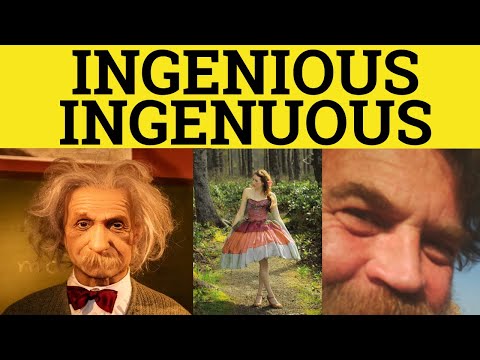
天真還是天才?方便的記法介紹
genie, genius, genuine, Ingenious, ingenuous, ingenuity, ingenuousness, disingenuous, indigenous 這幾個字非常難搞,拼法唸法意思都很容易搞錯。
首先,請讀者先把唸清楚: genius /ˈdʒiː.ni.əs/ = 天才 & genuine /ˈdʒen.ju.ɪn/ = 真的、真誠的。
(more…) -
Be Finished or Done? 停止 vs 完成 vs 做完
We are finished. 從字面上來看似乎是「被動式」,描述「我們被做完了」。然而事實上,這句話的意思卻是描述人們「主動做完了某事」,意思很怪對吧?要知道,英語的奇怪用法表示它不然就是古老用法,不然就是重要的慣用法。而像本例句描述的「完成」的概念,英語特別講究,可算是考試重點中的重點慣用法。本文內容比較四個與完成相關的字「finish, done, complete, end」之間的意義與用法差異。
(more…) -
用序列語來條列論點 list with Sequencer
- One + two + three, For one thing + For another, On one hand + On the other hand
- first + second + third + finally/lastly, last but not least
- to begin with / For starters / to get started / First off / the first item on the agenda
- before we finish up
-
Make Adj 的複合用法介紹
make sth Adj 是正常用法。然而,這個 sth 常常一大串,所以乾脆把 Adj 移到前面來。結果,make Adj sth 就變成一個特殊文法。常見和其搭配的 Adj 例如 possible, public, available, known, clear, explicit, real, permanent, back, easier。本文蒐集新聞素材供讀者參考練習。

make it possible (for... to...) = 使去… 成為可能(正常用法
(more…)