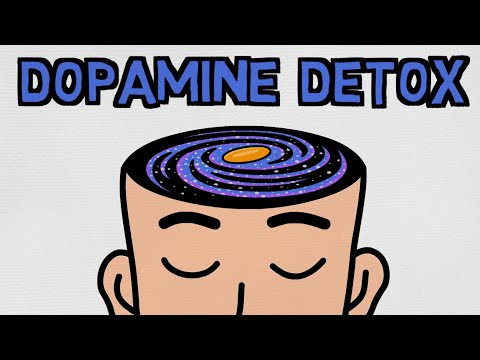
手機成癮,那絕對是人類無可避免的世界。這是壞事嗎?其實不一定。筆者曾在工地、在廚房,做過最髒最累的工作,深知「煙酒」的重要性。誰不知道吸煙喝酒有害?然而不靠煙酒,工作這麼苦怎麼撐下去?從這個觀點來看,手機娛樂的出現,筆者相信至少能幫助人們減少對煙酒的依賴。當然,如何不要讓狀況失控,也就是「學會如何不讓自己沉迷」,將會是當今教育界要承擔起來的一個重要任務。上面的影片筆者覺得很不錯,供老師們、學生們、成癮者們參考。此外,做為一個英語教學的平台,本文還要推荐讀者一些「如果一定要沉迷請選擇這些有益於英文的」手機遊戲 👀
(more…)-
We Challenge Conventional Education
After all the blood, sweat and tears, I find it too difficult to introduce innovation into Education. Even via renowned professors, like Prof. Krashen, little can be achieved. That's the very reason criticism on Education still gets tons of attention from the public.
And that explains why the window of opportunity is still open, as a challenge calling for the brave. The activist organization--weChallengeEducation--thus, is born today.
P.S. The name "weChallengeEducation" is formatted in camel style like iPhone and eBay--which lowercases the first character and combine all the other words as capital letters into one word.
Reference: https://en.wikipedia.org/wiki/Camel_case
-
Steve Jobs--從小就是個壞學生
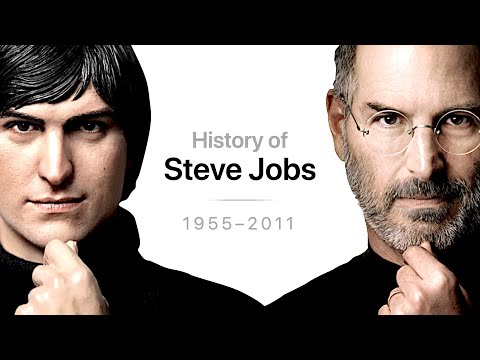
改變世界的那個男人,Steve Jobs,描述自己小時候的故事,對身為人師的筆者有點太衝擊了,特此記錄。影片中談到 Jobs 小時覺得學校太無聊,所以常常受處罰,甚至 played pranks on others(罷凌!?)。後來小學四年級時,有個老師告訴他 "I'll give you 5 bucks if you finish it [workbook]." 對於這兩個小故事,以下為筆者心得。
(more…) -
BanaBeta(機密文件)
-
Questionnaire Tips
Narrative context matters, e.g., Smoking while praying VS Praying while smoking. The former context is on the site where people pray, and the latter context is on the site where people smoke.
-
被教室偷走的機會--自由主義下的自主學習--Self-Directed Learning of Liberalism
您可曾聽過:「看不明白的東西,多讀幾次就懂了」。或者,您已親身體驗過這種「不死心,一定要搞懂」,然後,「突然有一天明白」的喜悅?可惜的是,在目前的教育體制下,這個自我挑戰,這個學習成為 Problem Solver 的機會,被教室偷走了!所有的學生都被框在同時間同一地點,一起聽著老師講述相同的內容。更糟糕地,學習者常在課後還要到補習班被繼續餵養知識。其結果,他們沒有時間按自身需求去自我挑戰,無法享受那份靠自己解決問題的成就感。
相對地,在自主學習的系統下,學習者能如影片中提到的「慢慢成為更好的自己」。例如觀看影片素材時,當遇到聽不懂的地方,就把影片拉回去多看幾遍。甚至,今天聽不懂,沒關係,明天再看一遍。這個老師講的關代聽不懂沒關係,再找另一個影片來看,說不定就懂了!本文收錄一些 YouTube 上世界各地分享的自主學習相關影片,以及蒐集來的各種想法……
(more…) -
Behavior Modification via Lubrication 行為潤滑
In the field of Behavior Modification or Motivation, there hasn't been any studies discussing this "Lubrication" topic as far as I know. The phenomenon, however, is very common in our daily life. Take drink water for example. When the water is available beside the working position, people tend to drink more and thus become healthier (sbd help locate the ref for me). From the perspective of psychology, it is called a cue. But from my point of view, as a fan of Behavioral Economics, I would say it is because the cost reduction of the target behavior lubricates the decision making process inside our brain.
As a professional habit formation researcher, I can tell you both the idea of cue and of the cost reduction theories hold true, since neural scientists have evidenced our brain operates with a parallel system consisting of reflective and conscious network.